


When it comes to precision cutting in metal fabrication, the bandsaw remains one of the most versatile and efficient tools in the shop. Whether you’re a small workshop cutting mild steel or a large industrial facility processing thousands of cuts per day, the type of bandsaw you use can have a huge impact on productivity, accuracy, and cost.
Metal cutting bandsaws are typically divided into three main categories: Manual, Semi-Automatic, and Automatic. Each offers different levels of operator involvement, automation, and production efficiency. Let’s explore how each type works, their advantages, and which one might best suit your needs.
1. Manual Bandsaws
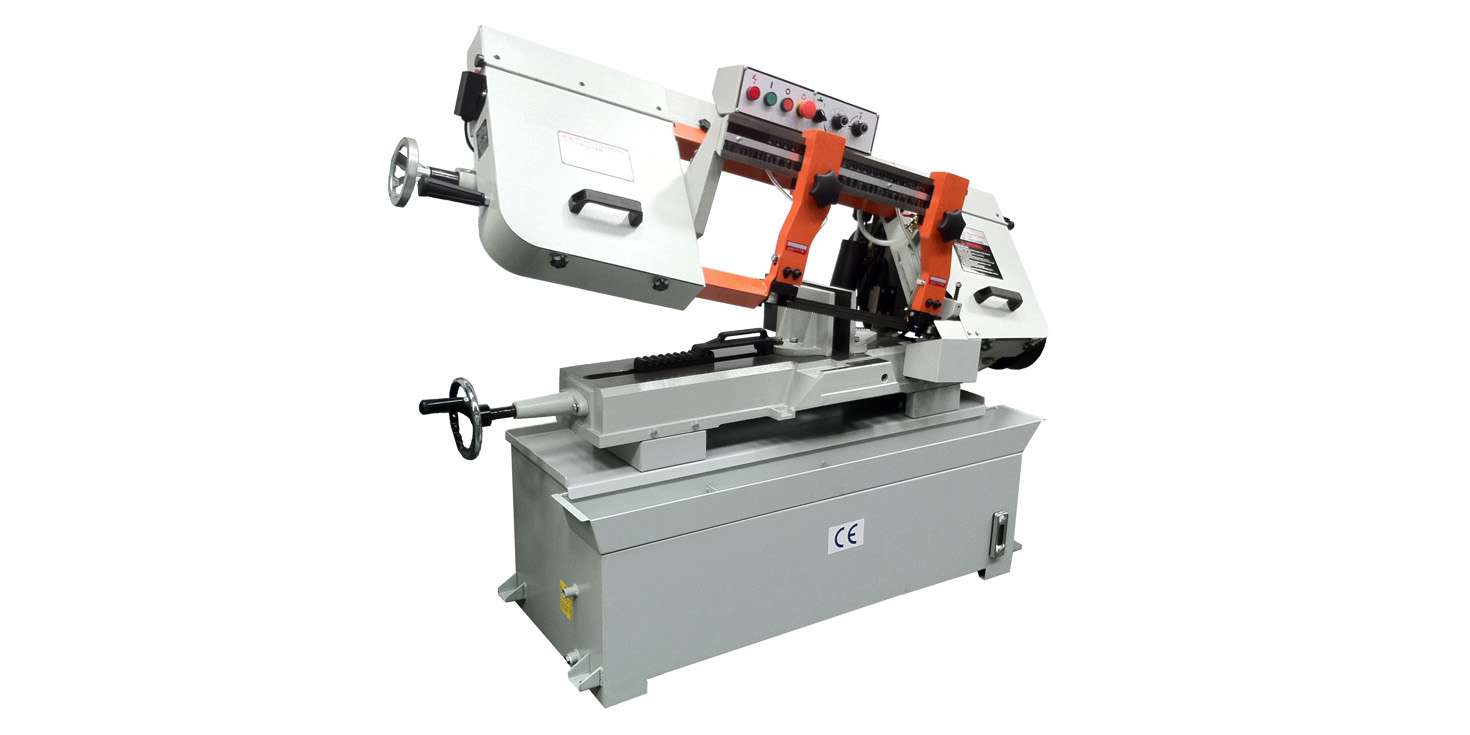
Manual bandsaws are the most basic and economical option. In this type of machine, all operations are controlled by the operator — from positioning the material to lowering the saw head and clamping the workpiece.
How It Works
- The operator manually sets the workpiece on the table or in the vice.
- The saw head movement can be either a manual pull down, or more commonly a controlled hydraulic descent.
- Once the cut is complete, the operator raises the head manually and repositions the material for the next cut.
Advantages
- Low cost: Ideal for small shops or occasional cutting tasks.
- Simple operation: Minimal setup, easy to maintain, and reliable.
- Versatile: Suitable for short-run jobs, custom pieces, or maintenance work.
Limitations
- Labour-intensive: Every cut requires manual intervention.
- Slower production: Not practical for high-volume operations.
- Inconsistent cuts: Operator fatigue can lead to variations in quality.
Best for: Small workshops, repair shops & tool rooms where flexibility is more important than speed.
2. Semi-Automatic Bandsaws
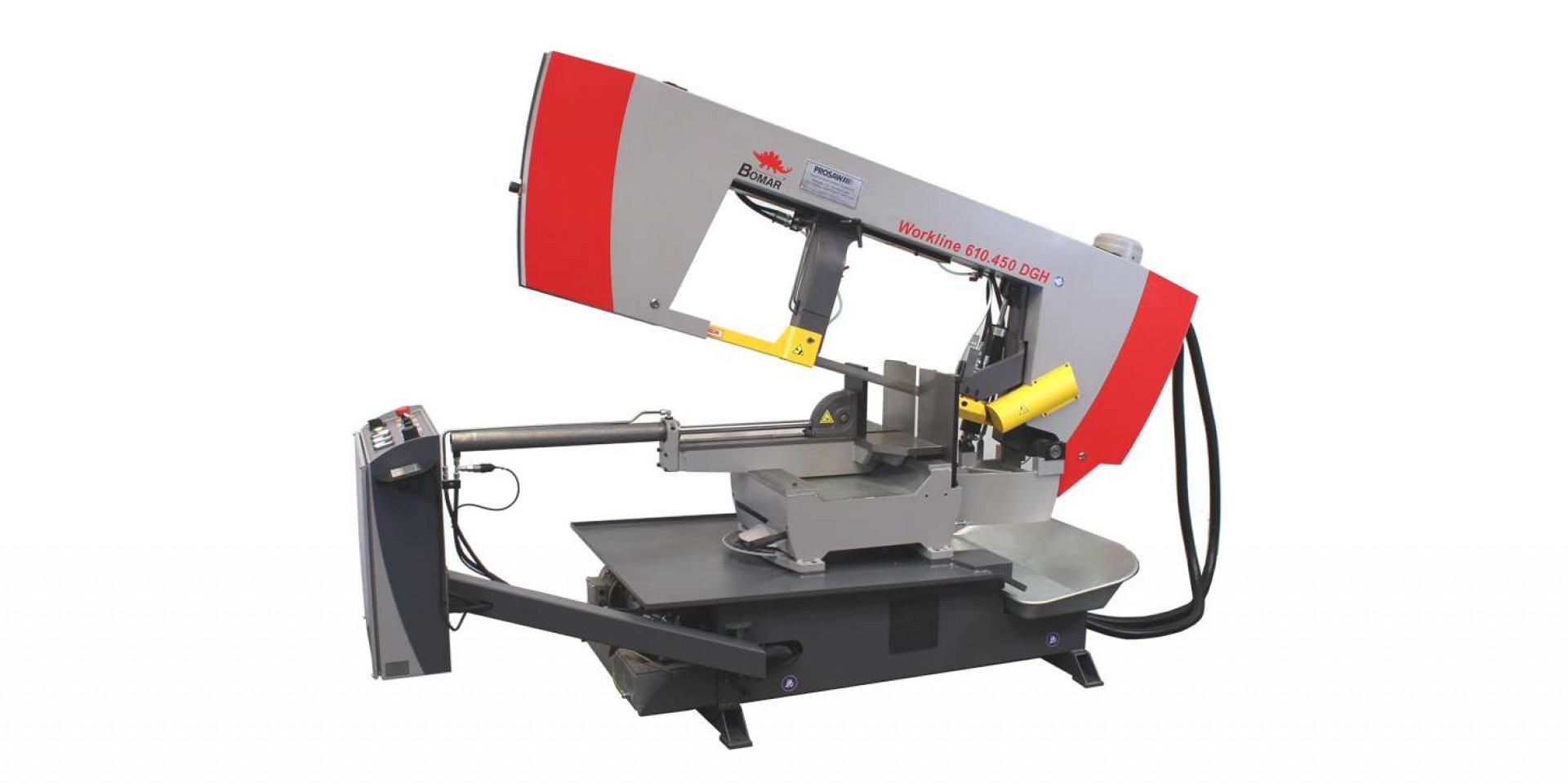
Semi-automatic bandsaws bridge the gap between manual control and full automation. These machines automate key functions — typically the saw head movement and usually clamping — while still requiring some manual material handling.
How It Works
- The operator loads and positions the material.
- Once the cycle is started, the machine usually clamps the material (some semi-automatic models have a manual vice), lowers the saw head, makes the cut, and raises the head back up.
- The operator then repositions the material for the next cut.
Advantages
- Improved efficiency: Cuts down on repetitive tasks like head movement and clamping.
- Better consistency: Automatic descent and return ensure uniform cutting pressure.
- Reduced operator fatigue: The saw handles the uplifting of the bow between cuts.
Limitations
- Partial automation: Material must still be manually positioned.
- Higher cost: More expensive than manual saws due to hydraulic and control systems.
Best for: Fabrication shops, small production runs, and workshops looking to improve throughput without the investment in a fully automatic system.
3. Automatic Bandsaws
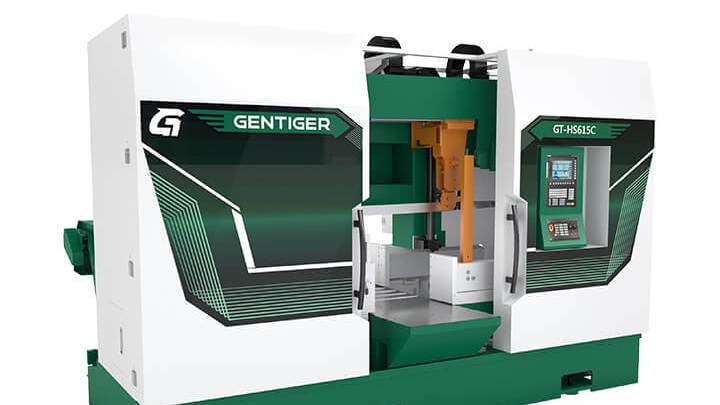
Automatic bandsaws are designed for high-volume, precision production. They offer full automation — from feeding and positioning the material to clamping, cutting, and cycling through multiple cuts.
How It Works
- The operator programs the machine with cut length, quantity, and speed.
- The machine automatically feeds the material, clamps it, and performs the cut sequence continuously.
- Once the job is complete, the saw stops and waits for the next program.
Advantages
- Maximum productivity: Ideal for repetitive, large-scale cutting.
- High accuracy: Consistent feed and clamp pressure ensure uniform results.
- Minimal labour: Frees up operators to focus on other tasks.
Limitations
- Higher initial investment: Automation and control systems increase cost.
- Setup: Requires a higher level of training for machine operators.
- Less flexibility: Not ideal for one-off or irregular cuts.
Best for: Production environments, steel stockholders, and manufacturers that need consistent, unattended cutting for large batches.
Choosing the Right Bandsaw
The best type of metal cutting bandsaw depends on your production volume, budget, and workflow:
| Category | Level of Automation | Ideal Use Case | Operator Involvement |
|---|---|---|---|
| Manual | Low | Custom or small-batch jobs | High |
| Semi-Automatic | Moderate | Medium production, repetitive cuts | Moderate |
| Automatic | High | Large-scale production, batch cutting | Low |
Final Thoughts
Whether you’re cutting mild steel, aluminum, or hardened alloys, the right bandsaw can make a significant difference in productivity and quality.
- Manual saws are perfect for workshops prioritizing flexibility.
- Semi-automatic models boost efficiency for regular cutting tasks.
- Automatic bandsaws deliver maximum output and precision for continuous production.